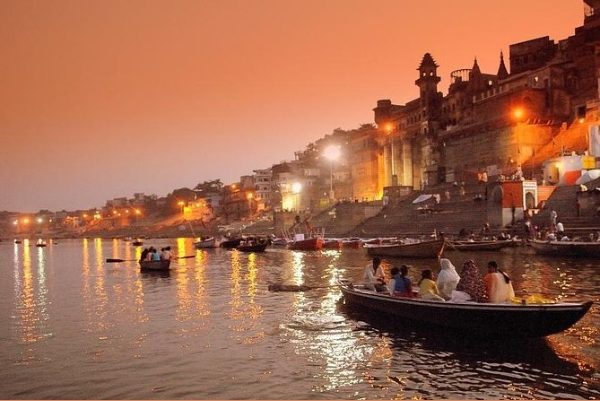
Kasi, also known as Varanasi, is one of the most sacred pilgrimage destinations in India. Revered as the spiritual capital of the country, this ancient city draws millions of devotees every year who seek divine blessings, perform ancestral rituals, and immerse themselves in sacred traditions. While Kasi can be visited throughout the year, choosing the right time for your pilgrimage can greatly enhance your spiritual experience.
Many devotees plan their journey through a well-organized Kasi Tour Package to ensure a smooth and meaningful pilgrimage. Selecting the best season allows pilgrims to comfortably participate in rituals, temple visits, and sacred ceremonies without facing extreme weather conditions. Understanding the climate, festivals, and spiritual significance of different months can help you decide the ideal time to visit.
Winter Season (October to March) – The Most Ideal Time
The winter season is widely considered the best time to visit Kasi for pilgrimage. From October to March, the weather remains pleasant and comfortable, making it easier for devotees to explore temples, ghats, and nearby spiritual sites. Early mornings are cool and refreshing, creating a serene atmosphere for taking a holy dip in the Ganga and attending morning prayers.
During this period, the city comes alive with religious fervor. Major festivals like Dev Deepawali and Maha Shivaratri attract thousands of pilgrims. Dev Deepawali, celebrated on the full moon of Kartik month, transforms the ghats into a breathtaking spectacle with thousands of lamps illuminating the riverbanks. Maha Shivaratri, dedicated to Lord Shiva, holds special importance in Kasi, as devotees gather in large numbers to seek blessings at sacred temples.
Winter is especially suitable for elderly pilgrims and families, as the moderate climate makes temple queues and ritual participation more manageable.
Summer Season (April to June) – A Challenging Yet Spiritual Period
Summer in Kasi can be intense, with temperatures often rising above 40°C. The heat may make outdoor activities and temple visits physically demanding, particularly during midday hours. However, despite the harsh climate, many devotees continue to visit due to the city’s timeless spiritual appeal.
Pilgrims who choose to travel during summer usually prefer early morning and evening hours for rituals and darshan. The spiritual essence of Kasi remains powerful regardless of the season, and some devotees believe that enduring physical discomfort adds to the merit of their pilgrimage.
Traveling during this time may also mean fewer crowds compared to peak winter months, allowing for more peaceful temple visits.
Monsoon Season (July to September) – A Sacred and Scenic Experience
The monsoon season brings moderate to heavy rainfall to Kasi. While occasional showers can disrupt travel plans, the rains also give the city a unique charm. The ghats appear fresh and vibrant, and the Ganga flows in full strength.
This season is spiritually significant due to the holy month of Shravan, which is dedicated to Lord Shiva. Devotees observe special fasts and perform rituals throughout this month. Temples witness increased footfall, especially on Mondays, which are considered auspicious for Shiva worship.
However, pilgrims should be cautious during heavy rains, as water levels may rise and certain areas may become slippery. Planning and proper accommodation arrangements are important for a comfortable experience during monsoon.
Festival Periods – Spiritually Enriching but Crowded
Kasi hosts numerous festivals throughout the year, each adding its own spiritual vibrancy. Apart from Dev Deepawali and Maha Shivaratri, festivals like Kartik Purnima and Navaratri also attract large gatherings. Visiting during festival time offers an extraordinary spiritual atmosphere filled with devotional chants, special rituals, and grand celebrations.
However, festival seasons also mean heavy crowds and longer waiting times for temple darshan. Pilgrims who prefer a quieter experience may choose non-festival periods, while those seeking vibrant spiritual celebrations may plan their visit accordingly.
Many travelers opt for a carefully planned Kasi Trip Package to manage their itinerary effectively during peak seasons. Organized arrangements help ensure timely temple visits, ritual participation, and comfortable accommodation despite large crowds.
Choosing the Right Time Based on Purpose
The best time to visit Kasi also depends on the purpose of your pilgrimage. For those performing ancestral rituals such as Pitru Pooja and Tarpanam, consulting priests for auspicious dates is often recommended. Certain lunar days and months hold greater significance for these ceremonies.
Devotees seeking spiritual immersion and peaceful meditation may prefer the winter months when the weather supports extended temple visits and Ganga Aarti participation. On the other hand, those wishing to witness grand festivities may align their travel with major religious events.
A Year-Round Spiritual Destination
Though climate and festivals influence comfort levels, Kasi remains spiritually powerful throughout the year. The city’s sacred aura, ancient temples, and holy river continue to draw devotees in every season. Pilgrims often describe their visit as transformative, regardless of the time of year.
The chanting of mantras at sunrise, the mesmerizing Ganga Aarti at dusk, and the deep-rooted traditions practiced daily create a timeless spiritual atmosphere. Each visit offers a unique experience shaped by personal devotion and faith.
Conclusion
The best time to visit Kasi for pilgrimage is generally during the winter months from October to March, when the weather is pleasant and conducive to spiritual activities. However, every season carries its own significance and spiritual charm. Whether attending grand festivals, performing sacred rituals, or seeking quiet reflection, Kasi welcomes devotees year-round.
Careful planning, understanding seasonal conditions, and aligning travel with spiritual goals can help make your pilgrimage deeply fulfilling. No matter when you choose to visit, the divine energy of Kasi promises an unforgettable journey of faith and devotion.