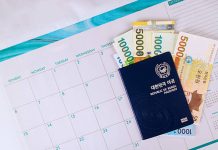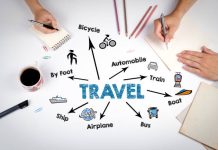
Planning trips always feels exciting in theory. You imagine beaches, cafés, photos that make people slightly jealous. Then reality hits. Tabs open everywhere, prices changing every five minutes, and suddenly you’re questioning why a two-hour flight costs more than your monthly groceries. I’ve messed this up more times than I’ll admit. Once booked a flight before checking visa rules. Rookie mistake. The trip still happened, but with way more stress than needed. That’s when I realized trip planning is less about perfection and more about damage control.
Travel planning reminds me a lot of budgeting. You start with optimism, then reality trims it down. You think you’ll do everything, then end up choosing what actually fits your time, energy, and wallet.
Why Guides Exist but Still Don’t Save You
Travel guides are everywhere. Blogs, videos, threads, long captions promising “the ultimate itinerary.” But here’s the thing. Guides don’t know you. They don’t know you hate waking up early or that museums bore you after 30 minutes. I once followed a packed guide that looked amazing online. By day two, I was exhausted and cranky, sitting on a curb questioning my life choices.
A lesser-known fact most people don’t talk about is that travelers who over-plan tend to enjoy trips less. There’s even chatter online about leaving “empty days” in itineraries because burnout is real, even on vacation. That makes sense. You wouldn’t schedule meetings every hour at work, so why do it on holiday.
Social Media Made Travel Louder Not Better
Scroll Instagram and it looks like everyone is constantly somewhere better than you. Perfect outfits, perfect light, perfect timing. What you don’t see is the missed buses, overpriced taxis, or the argument about where to eat. Social media makes travel feel competitive. There’s pressure to see everything and prove you were there.
I’ve noticed more people lately pushing back on that vibe. Tweets about “slow travel” and not rushing through cities are getting more love. That feels refreshing. Travel doesn’t need to be a checklist. It’s okay if you didn’t see every landmark. Nobody’s grading you.
Money Mistakes Happen Faster on the Road
Travel spending is sneaky. You think you’re being careful, then suddenly small expenses stack up like subscriptions you forgot to cancel. Coffee here, taxi there, random souvenir you didn’t need. Before you know it, your budget is gone and you’re doing mental math every time you open your wallet.
One thing I learned the hard way is that flexible planning often saves money. Booking everything rigidly can lock you into bad deals. Leaving some space lets you adapt. That’s similar to keeping emergency savings instead of tying up all your cash. Freedom has value.
Tips You Only Learn After Messing Up
Nobody tells you how tiring constant movement is. Changing hotels, packing and unpacking, figuring out transport. It drains you. Slower trips usually feel richer. Another thing people don’t mention much is how much local advice matters. Random conversations often lead to better experiences than top-rated lists.
I once skipped a famous attraction because a local café owner suggested a quiet neighborhood instead. Best decision of that trip. No crowds, better food, real vibes. That’s not something algorithms recommend.
Why Inspiration Matters More Than Structure
Trips planned only on logic feel flat. Inspiration gives trips personality. Whether it’s food, nature, history, or just wandering, knowing what excites you matters more than hitting every highlight. Online, people chase aesthetic spots. Offline, the best moments are usually unplanned.
I’ve noticed travel forums talking more about intention lately. Asking why you’re going somewhere instead of just where. That changes everything. A trip meant for rest looks very different from one meant for exploration.
Accept That Things Will Go Wrong
Something always goes wrong. Flights delay, weather changes, places close. The smoother trips aren’t the ones without problems, they’re the ones where expectations were realistic. Flexibility saves trips. Getting upset rarely does.
One trip I planned perfectly on paper ended up average. Another thrown together last minute turned out unforgettable. That still annoys me, honestly.
Ending on a Real Note
Planning travel isn’t about controlling everything. It’s about setting yourself up to enjoy what happens. Guides help, tips help, inspiration helps, but none of it replaces being present. The best trips usually live somewhere between structure and chaos. When you stop chasing the perfect plan and focus on experiences, travel starts feeling lighter and more human again.