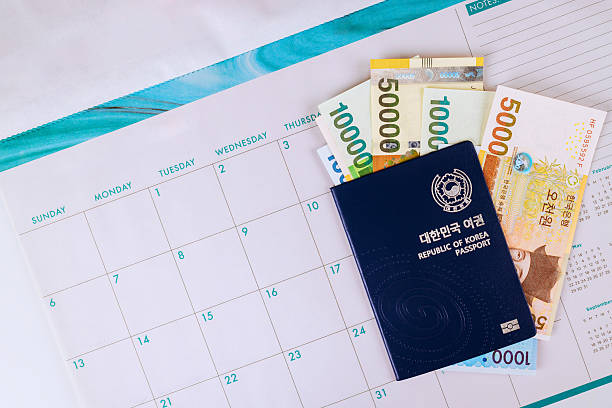
Budgeting, Itineraries & Planning for Your Journey always sounds way more organized than it actually is. Like, in theory, you sit down with a notebook, calculate expenses, map routes, book hotels, and boom… perfect trip. In real life, I usually start with excitement, then panic a little, then over plan, then ignore half of the plan anyway. And honestly, that’s normal. If someone says they planned everything perfectly, they’re either lying or they’ve never actually traveled.
Why Budgeting Feels Scarier Than It Should
Money is the part that stresses most people out first. I used to think budgeting meant cutting fun. Turns out it’s more like deciding where the fun actually matters. On my first solo trip, I spent way too much on a fancy hotel because Instagram convinced me it was “worth it.” Two days later, I realized I was barely in the room. Lesson learned, slightly late.
Budgeting is basically like grocery shopping when you’re hungry. If you don’t set limits, you’ll buy stuff that looks good but doesn’t really help. A weird stat I once read online said travelers who pre-plan daily spending end up saving around 20 percent overall. I didn’t believe it until I tried it myself. Not strict numbers, just a rough daily cap. Somehow it worked.
Social media doesn’t help here. Everyone posts luxury flights and rooftop pools, but nobody posts the credit card bill afterward. Twitter and Reddit are full of people admitting they overspent just to “feel the trip.” Been there. Regretted it later.
How I Actually Build a Budget That I Can Follow
I start messy. I write down flights, stay, food, transport, random stuff, and an emergency cushion because something always goes wrong. Always. Once I forgot to include airport transfers and that small mistake added up fast.
A simple trick I use is dividing expenses into must-have and nice-to-have. Flights are must-have. That fancy café everyone talks about might be nice-to-have. When money gets tight, I already know what can be skipped without ruining the trip.
Also, budgeting isn’t just about spending less. Sometimes it’s about spending smarter. Like choosing a slightly longer flight that’s cheaper and using the saved money on local experiences. I once chose a budget airline and used the savings for a street food tour. Zero regrets, slight stomach ache, but still worth it.
Itineraries Are Guidelines, Not Contracts
I used to overdo itineraries. Morning museum, afternoon café, evening viewpoint, repeat. By day three I was exhausted and cranky. Now I plan lighter. Think of an itinerary like a playlist, not a schedule. You don’t have to listen to every song in order.
A lot of travel creators online talk about “slow travel” now, and I kind of get the hype. You don’t need to see everything. You just need to feel the place. Some of my best travel memories came from unplanned afternoons where I just walked around and got lost, sometimes literally.
One niche stat floating around travel forums says travelers remember spontaneous moments more than planned attractions. Makes sense. Nobody reminisces about standing in line for two hours.
How I Roughly Plan a Day Without Killing the Vibe
I pick one main thing per day. That’s it. Everything else is optional. If that one thing happens, the day is already a win. Planning like this removes pressure and leaves room for surprises.
I also check distances. Sounds obvious, but I once planned three spots that looked close on a map and ended up spending half the day commuting. Rookie mistake, but it happens more than people admit.
And yes, I still screenshot places instead of saving them properly. Half the time I forget why I saved them, but somehow it still works out.
Planning Isn’t Just Before the Trip
People forget this part. Planning during the journey matters too. Checking expenses every few days helps avoid that end-of-trip shock. I open my banking app, sigh a little, then adjust. Maybe cook one meal instead of eating out again. Balance restored.
Online sentiment right now leans toward flexible planning. TikTok is full of “unplanned trip diaries” and honestly, it’s refreshing. It’s proof that travel doesn’t have to be hyper-organized to be meaningful.
Mistakes I Keep Making and Probably Will Again
I underestimate food costs. Every single time. Street food adds up. Coffee adds up. Snacks add up. Yet I still forget to budget properly for it. Another mistake is not leaving buffer days. Travel delays are real, and tight itineraries don’t forgive mistakes.
Also, I still overpack. That’s not budgeting, but it affects planning. Dragging heavy luggage across cities makes even the best itinerary feel like a workout plan.
Why All This Planning Is Still Worth It
Even with mistakes, budgeting and planning give freedom. Sounds backward, but it’s true. When you know roughly where your money is going and what your days look like, you relax more. You stop checking prices every five minutes. You stop feeling guilty about enjoying things.
Travel isn’t about perfection. It’s about stories you’ll laugh at later. Like the time I planned everything except checking local holidays and arrived to closed attractions. I was annoyed for ten minutes, then had one of the chilliest days of the trip.
In the end, Budgeting, Itineraries & Planning for Your Journey isn’t about control. It’s about confidence. Confidence that you won’t run out of money halfway, confidence that you won’t miss everything important, and confidence that even if things go wrong, you’ll handle it. And trust me, something always goes wrong. That’s kind of the point.