A Photographer’s Guide to a Kutch package for 3 days
Kutch has a way of making even a mediocre photographer look talented. The quality of light, the extraordinary textures of the white salt desert, the vivid colours of traditional dress against pale backgrounds, and the cultural richness of the Festival all combine to create a photographic environment that genuinely has few equals anywhere in India. A Kutch Tour Package, approached with a photographer’s eye, can produce images that stand as some of the most striking of any travel experience. This guide tells you how to make the most of every hour.
Before You Arrive: What to Know About Light in Kutch
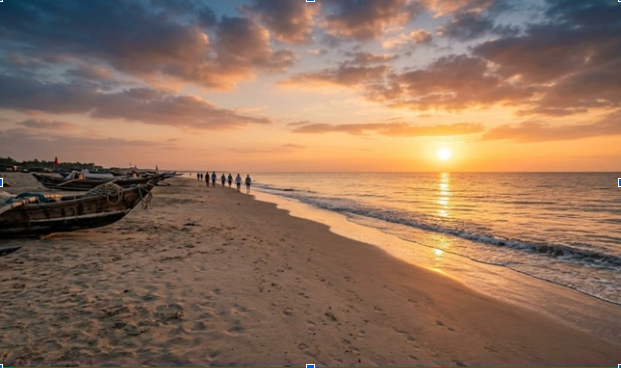
The quality of natural light in Kutch during the festival season, roughly November to February, is exceptional. The combination of dry air, clear skies, and the reflective surface of the white salt desert creates lighting conditions that professional photographers travel specifically to capture.
The Three Best Light Windows Each Day
- Dawn to one hour after sunrise: the most beautiful, least crowded, and most directional light of the day; shadows are long and the salt reflects warm pink and gold
- The hour before sunset: equally spectacular and more accessible, but busier at the main viewing areas
- Full moon night: the white desert under a full moon is one of the most otherworldly photographic environments you will ever encounter
Planning a Kutch package for 3 days around these windows, arriving at the desert before dawn on at least one morning, and staying out after the main evening programme on full moon night, makes an enormous difference to what you come home with.
Day One: The Festival Grounds and Craft Market
What to Photograph at the Festival
The Rann of Kutch Festival is one of the most photographically rich environments in Gujarat during the winter season. From sunrise casting soft golden light across the salt desert to vibrant cultural performances, colourful handicraft stalls, and traditional Kutchi attire, every corner offers a unique frame. Evenings bring dramatic sunsets and moonlit landscapes that create unforgettable photography opportunities.
| Subject | Best Approach |
| Craftspeople at work | Ask permission first; most are happy to be photographed while working |
| Folk performers | Stay for the informal sessions after the main programme when performers are relaxed |
| Festival atmosphere | Wide shots in the late afternoon capture the scale and colour of the grounds |
| Camel decorations | Detail shots of the embroidered camel attire reward close attention |
| Faces | A longer lens and patience produce more natural, unposed portraits |
The craft market in particular rewards slow walking and close attention. The textures of embroidered fabric, the detail in block-printed textiles, and the hands of an artisan at work are all images that deserve careful, close-range consideration.
Day Two: The White Desert
Dawn at the Rann
This is the single most important photographic moment of the entire Kutch package for 3 days. The salt desert at dawn, before other visitors have arrived, has a quality of stillness and light that is simply irreplaceable.
What to Bring
- A wide-angle lens for the vast, flat expanse of the desert
- A longer focal length for compressing the horizon and isolating interesting foreground elements
- A tripod for the early light when shutter speeds need to be slower
- Extra memory, the white desert in good light produces images worth keeping every few minutes
The Full Moon Night
If your Kutch Tour Package coincides with the full moon, this is non-negotiable. The salt crust reflects moonlight with an intensity that makes the desert appear almost self-luminous. Long exposures at ISO settings appropriate to your camera will produce images unlike anything else in your travel photography catalogue.
Day Three: The Villages
Hodka Village: Architecture and Portraits
The traditional bhunga dwellings of Kutch, circular mud and mirror-work structures, are among the most photogenic architectural forms in India. In Hodka, these homes are still lived in, and the interiors, with their hand-decorated walls and carefully arranged domestic objects, are astonishing subjects.
Tips for Village Photography
- Always ask permission before entering homes or photographing individuals
- Spending time with people before raising the camera consistently produces better results than immediately photographing on arrival
- The relationship between traditional architecture and the surrounding landscape rewards wide establishing shots that set the context
- Children in Kutchi villages are often extraordinarily comfortable in front of a camera, but the most interesting portraits are usually of the older generation
The Flamingos
If the timing aligns, the flamingo colonies of the Rann offer a completely different kind of photographic subject. The massed movement of large pink birds against the pale background of the salt flats, particularly in the early morning light, is spectacular from even a modest distance.
Gear Considerations for Kutch Photography
- Dust is a real consideration: the salt desert produces fine particles that enter camera bags and lens mounts; bring sealed bags and clean regularly
- Sun is bright and high by mid-morning: polarising filters help significantly on the white desert to reduce glare and increase colour saturation
- Battery life drops in cold early mornings: bring spares and keep them warm in an inner pocket
Conclusion
A Kutch Tour Package approached with a photographer’s intention produces images that represent some of the most extraordinary travel photography available anywhere in India. The white desert, the festival’s cultural richness, and the living craft traditions of the surrounding villages all offer photographic experiences that repay careful attention and genuine curiosity. Rann of Kutch Festival helps photographers plan itineraries that put them in the right place at the right time, ensuring that the three days available are used in the way that produces the most remarkable results.