Food travel is honestly a different type of addiction, and best food experiences around the world hit way deeper than just “nice taste.” It’s not just eating, it’s like accidentally understanding a place without needing a history lesson. I didn’t even realize how serious this was until I started planning trips around meals instead of monuments. Some people bookmark beaches, I bookmark noodle shops. Priorities.
I used to think food tourism was for rich people with wine vocabularies and strong opinions about olive oil. Turns out it’s just normal people being dramatic over flavors. Which is fair. Because one good bite can fix your mood faster than a motivational quote ever could. There’s actual psychology behind that too, something about dopamine and memory, but I’m not a scientist, I just know pasta has emotional power.
Street food is chaos but the good kind
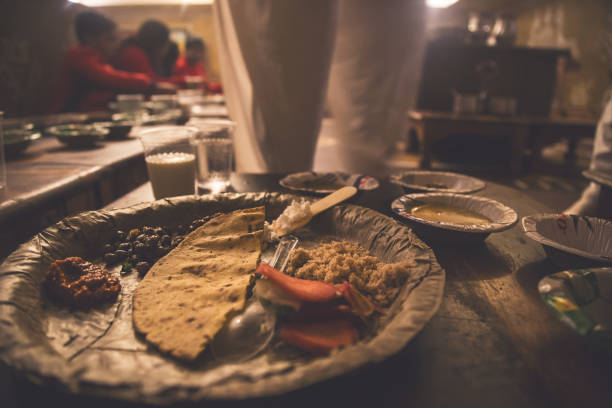
Fine dining is cool, sure, tiny plates, big bill, everyone whispering like we’re in a library. But street food? That’s where the personality of a country just stands there in a pan, sizzling loudly. I still remember this night market I went to, sweaty, loud, people yelling orders, smoke everywhere, and I had noodles from a cart that looked like it had survived three wars. Best noodles of my life. I’m not even exaggerating. I thought about them during meetings for weeks.
There’s something real about food that doesn’t look aesthetic. Social media loves pretty plates, but locals usually stand in line for places with plastic stools and zero decor. That’s a travel rule nobody tells you. If the menu is laminated and slightly sticky, chances are the food slaps. I once ignored a fancy café with 4.9 stars online and followed an old man into a tiny soup place instead. No English menu, just vibes. Elite decision.
Also fun fact most people don’t talk about, some of the most famous “national dishes” weren’t even royal or luxury foods. A lot came from poor communities making magic out of cheap ingredients. Like taking scraps and turning it into a legendary dish. That’s lowkey financial genius. It’s like budgeting but delicious. Travel food teaches you money lessons without you noticing. Maximum flavor, minimum resources.
Every country has that one dish locals are weirdly defensive about
You’ll see it online all the time. Someone says, “I didn’t like this famous dish,” and the comments explode like you insulted their grandma. Food is identity. I once said a certain famous soup was “just okay” and my friend looked at me like I cancelled their childhood. I had to backtrack fast.
But those strong opinions make eating while traveling way more interesting. You’re not just consuming calories, you’re stepping into pride, tradition, family stories. That random bakery might have a recipe older than your entire country. And nobody puts that on the tourist brochure.
Also, traveling for food is sneaky good for your budget if you play it smart. Big attractions drain money fast, but local meals? Sometimes the cheapest part of the day and the most memorable. I’ve had $3 meals I still talk about more than expensive tours. It’s like investing in memories with crazy high emotional returns. If finance bros understood this, they’d be tracking “happiness ROI.”
The taste memory thing is actually real
Ever notice how one smell can teleport you? That happened to me when I smelled grilled meat on a random street back home and suddenly I was mentally back on a rooftop restaurant on a trip, warm air, city lights, no responsibilities. Food locks memories in your brain like those old school save buttons in games. You don’t just remember the flavor, you remember who you were there.
That’s why food experiences feel heavier than just sightseeing. You can forget the name of a cathedral but never forget that dessert you still can’t pronounce. Also, trying local dishes is the fastest way to break the “tourist bubble.” You sit where locals sit, eat what they eat, and suddenly the place feels less like a movie set and more like real life happening around you.
I also love how food trends travel online now. One week everyone’s obsessed with some pastry from a tiny town, next week it’s a spicy noodle challenge. Social media kinda exaggerates, yes, but it also introduces people to dishes they’d never hear about otherwise. Not every viral food is worth it, though. I once waited 40 minutes for a “famous” sandwich that tasted like regular bread with confidence.
Still, chasing best food experiences around the world is one of the few travel styles that almost never disappoints. Even when a dish is weird or not your thing, it becomes a story. Like the time I confidently ordered something without knowing what it was and got a texture surprise I’m still emotionally recovering from. Would I do it again? Probably.
At the end, food travel just makes places stick to you more. It’s not just photos, it’s flavor memories living rent-free in your head. That’s why I’ll always plan trips around meals, markets, and random local spots, because those best food experiences around the world end up being the part of travel that actually stays with you.